Northern Lights Explained: Fascinating Myths and Scientific Facts
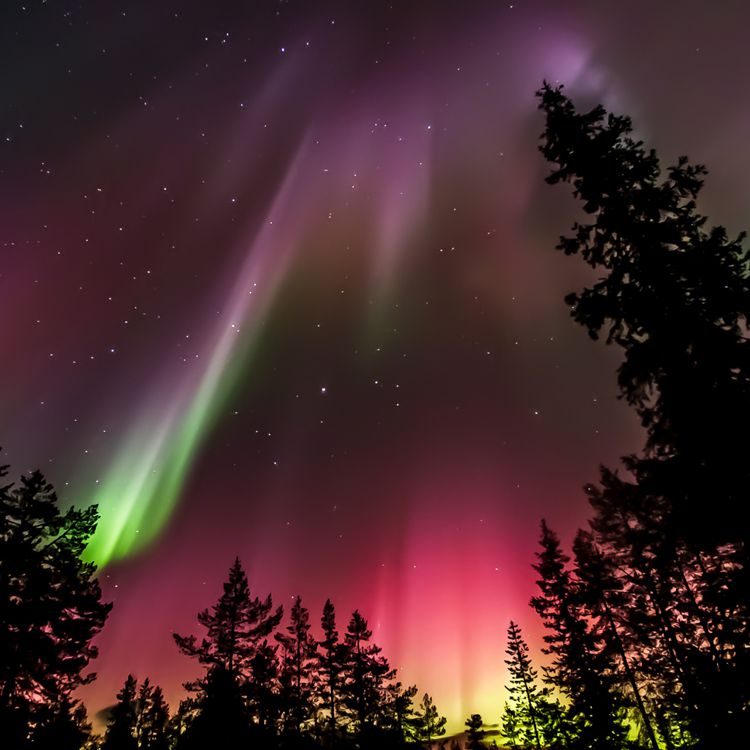
The Northern Lights, or Aurora Borealis, are one of nature’s most magical phenomena. Dancing across the Arctic sky in green, purple, and pink waves, they’ve inspired stories, legends, and awe for centuries. But with the myths come questions like what is true, and what’s just folklore?
When to See the Northern Lights
The Northern Lights are visible in the Arctic during the dark, clear nights of winter. In Finland, the season typically runs from late August to early April, with the peak months being October to February when nights are longest. Clear skies and minimal light pollution give you the best chance to witness the show.
How the Northern Lights Are Formed
The Northern Lights are magical but not magic, they’re science at work! They occur when charged particles from the sun collide with gases in Earth’s atmosphere. These collisions happen mostly near the Earth’s magnetic poles, which is why the Aurora is strongest and most visible in high-latitude regions like Lapland, northern Norway, Sweden, and Finland. Simply put, the farther north you go, the more likely you are to see them, while places closer to the equator rarely experience these magical displays.
When the particles meet the atmosphere, they create bursts of light in different colors:
- Green – oxygen at lower altitudes
- Red – oxygen at higher altitudes
- Purple/blue – nitrogen
The result is the mesmerizing, shimmering display we all admire.